

Nobody likes to think about getting sued or facing a major financial claim, but unexpected legal costs can hit individuals and businesses alike without warning. From a fender bender on the way to a company event to a slip-and-fall at a public gathering, legal exposure is often hiding in ordinary moments. Smart companies and savvy individuals plan ahead by understanding where risk comes from and setting aside resources before trouble starts. This article breaks down the everyday situations that create legal and financial exposure, and what you can do to prepare for them.
Understanding Why Legal Costs Catch People Off Guard
Most people assume lawsuits only happen to reckless companies or careless drivers, but the truth is that legal claims often arise from routine activities. A single accident, injury, or contract dispute can trigger legal fees, settlement costs, and lost productivity that add up quickly. Businesses that plan financially for these possibilities tend to recover faster and protect their reputation more effectively than those caught flat-footed.
The unpredictability of legal exposure is exactly why budgeting matters. Setting aside even a modest reserve fund for potential claims can mean the difference between a manageable setback and a financial crisis. This mindset applies just as much to individuals managing personal risk as it does to companies managing liability across operations.
Planning for Risk at Company Events and Outdoor Gatherings
Company picnics, festivals, and outdoor client events come with hidden liability that many business owners overlook. Vendors, rented equipment, and temporary facilities all carry some risk of injury or property damage, and smart planners build this into their event budgets. A slip on a wet platform, a collapsed tent in high wind, or a malfunctioning inflatable can turn a fun afternoon into a six-figure claim. General liability insurance riders for one-day events typically cost a few hundred dollars but can save a company from devastating out-of-pocket settlement costs. Businesses should also confirm that outside vendors, such as caterers, DJs, and equipment rental companies, carry their own liability coverage and list the host company as an additional insured. Without that paperwork in place, responsibility for an incident can quietly shift back onto the business that organized the event. Even something as simple as restroom arrangements can become a liability issue if sanitation or safety standards are not met. Portable facilities need to be properly anchored, regularly serviced, and ADA-accessible when required by local ordinance, since a tipped unit or unsanitary condition is a legitimate basis for a claim. Parking areas, uneven terrain, and alcohol service add further exposure, and each should be reviewed with a checklist before the event date is set. Smart companies also designate a point person to document the setup, note any hazards, and keep incident report forms on hand in case something does go wrong. That small investment of planning time, paired with a modest line item in the budget for insurance and contingency costs, is far cheaper than defending a lawsuit after the fact.
Company picnics, product launches, and outdoor conferences all carry a quieter liability than the headline risks of contracts or employment disputes: the physical safety of everyone standing on the grounds. A guest who trips on uneven flooring, slips near a poorly placed fixture, or gets hurt because a vendor cut corners can trigger a claim just as easily as a workplace injury. Smart companies treat event planning as a legal exercise, not just a logistics one. Interestingly, companies that invest in higher-quality event infrastructure often reduce their legal exposure in the process. For example, renting a fancy porta potty unit with proper lighting, ventilation, and ADA accessibility can lower the risk of injury claims compared to standard portable units, which are more prone to poor footing, broken locks, and inadequate step stability. The same logic applies to flooring over grass, generator placement, and signage near hazards like cords or uneven terrain. Budgeting for these upgrades isn’t just about optics — it’s about shifting the odds before anyone steps on-site. A few hundred dollars more per unit or per rental item is negligible next to the cost of a single slip-and-fall claim, which can run into tens of thousands of dollars once medical bills and legal fees are factored in. Insurance brokers and event planners increasingly build these considerations into pre-event risk checklists for exactly this reason. Thinking through these details ahead of time is a practical form of lawsuit prevention that doubles as better guest experience. Companies that take this approach also tend to document their choices — contracts, vendor certifications, accessibility compliance — which becomes valuable evidence if a claim is ever filed.
Protecting Yourself After an On-the-Road Collision

Car accidents remain one of the most common sources of legal claims for both individuals and businesses with vehicle fleets. A single collision can trigger medical bills, vehicle repair costs, lost wages, and even long-term rehabilitation expenses that stretch well into the tens of thousands of dollars. For companies with delivery vans, service vehicles, or sales teams on the road, a fleet of even ten cars means the odds of an accident in any given year are far from negligible. This is why many people consult a car accident lawyer soon after a collision, rather than waiting to see how an insurance claim plays out. Early legal advice helps clarify who’s at fault, what the claim is actually worth, and whether additional parties, like an employer or another driver’s insurer, share liability. It also helps document the accident properly, from photos and witness statements to medical records that establish a clear timeline of injury and treatment. Having this conversation early can prevent costly mistakes, like accepting a lowball insurance settlement before the full extent of damages is known. Insurers often move quickly to offer a quick payout, hoping claimants will settle before realizing the true cost of ongoing physical therapy or missed work. Businesses that budget for this possibility, whether through legal retainers, higher insurance coverage limits, or a dedicated incident-response fund, put themselves in a far stronger position than those scrambling to react after the fact.
Companies that operate delivery vehicles or employee fleets should also factor potential accident costs into their financial planning. A single collision can trigger medical bills, vehicle repairs, legal fees, and potential settlement costs that easily climb into six figures, especially if a third party is injured. Waiting until a crash happens to figure out how to cover these expenses almost always costs more than planning ahead. Setting aside a legal contingency fund, paired with proper insurance coverage, helps absorb the shock of an unexpected crash. Commercial auto policies often have coverage gaps or limits that don’t fully account for lawsuits involving injury claims, lost wages, or punitive damages, so a separate cash reserve can bridge that difference. Many businesses aim to set aside enough to cover their insurance deductible plus a few months of anticipated legal costs, adjusting the figure as their fleet grows. This proactive approach keeps a single accident from turning into a long-term financial setback. It also gives leadership the flexibility to settle claims quickly rather than dragging out litigation that damages the company’s reputation with customers and drivers alike.
Preparing for the Unique Risks of Motorcycle Incidents
Motorcycle accidents often involve more severe injuries than standard car collisions — think traumatic brain injuries, spinal damage, and multiple fractures — which can lead to medical bills reaching six figures and more complex legal claims overall. Unlike a typical fender-bender, these cases frequently require expert testimony, accident reconstruction, and extended litigation timelines, all of which add to the financial exposure a company must plan for. Any business that uses motorcycles or scooters for delivery, courier, or messenger services should treat this as a distinct risk category rather than lumping it in with general auto liability. Insurance adjusters and juries sometimes carry unconscious bias against riders, assuming recklessness even when the motorcyclist wasn’t at fault, which can drive up settlement costs or trial risk for the company defending the claim. Businesses should also consider how driver training, vehicle maintenance logs, and route safety policies factor into their liability exposure before an incident ever occurs. Consulting a motorcycle accident attorney after an incident can help clarify liability, especially in cases where fault is disputed between drivers or where lane-splitting, visibility, and right-of-way issues complicate the picture. Legal counsel experienced in these cases can also help a company anticipate how courts in its jurisdiction typically handle comparative negligence, which directly affects how much to set aside in a litigation reserve. Building that expertise into the budgeting process, rather than scrambling for it after a crash, is what separates reactive companies from genuinely prepared ones.
Motorcycle claims occupy a unique risk category because injury severity tends to be higher than in standard auto incidents, and the resulting medical bills, lost wages, and liability exposure can escalate far faster than companies anticipate. A fender-bender involving a car might cost a few thousand dollars to resolve; a motorcycle collision can easily generate six-figure claims once surgery, rehabilitation, and long-term care enter the picture. This gap in severity is exactly why financial preparation matters even more in this category. Companies with fleet vehicles, delivery riders, or employees who use motorcycles for work should review their coverage limits regularly rather than assuming a standard policy is sufficient. Riders and businesses alike benefit from maintaining updated insurance policies, confirming that liability limits reflect current medical cost trends, and keeping a dedicated financial buffer for legal fees that can accumulate even before a case goes to trial. It’s also worth reviewing uninsured and underinsured motorist coverage, since motorcycle accidents often involve other drivers who carry minimal insurance. Beyond insurance, some companies set aside a contingency reserve specifically earmarked for high-severity incidents, separate from general liability budgets. This allows legal and claims teams to respond quickly without scrambling to reallocate funds under pressure. Planning ahead in this way reduces panic and allows for clearer, faster decision-making after a crash occurs — which can also improve outcomes for everyone involved.
Choosing the Right Legal Representation Before You Need It
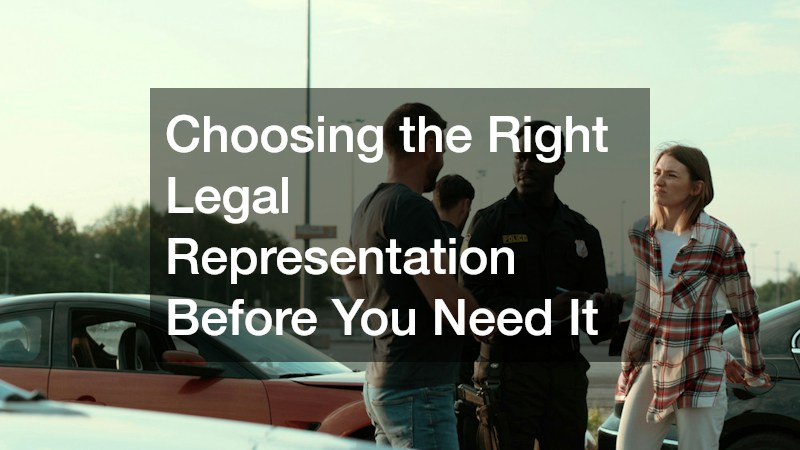
One mistake many people make is waiting until a crisis hits to start researching legal help. Taking time in advance to understand what to look for in representation can save valuable time and stress later. Response speed, communication style, and experience with similar cases are all worth researching before an emergency arises.
When searching for the best car accident attorney, it helps to look beyond advertising and focus on track record and client reviews. A lawyer’s familiarity with local courts and insurance companies can significantly affect how quickly and fairly a claim gets resolved. Companies with employees who drive for work should keep a shortlist of trusted legal contacts ready, rather than scrambling after an incident occurs.
- Look for attorneys with specific experience in your type of case
- Ask about typical case timelines and communication frequency
- Check reviews and past client outcomes where available
- Confirm whether consultations are free before committing
- Verify licensing and standing with the state bar association
Budgeting for Workplace and Public Injury Claims
Injuries are not limited to car accidents; they can happen in offices, retail stores, warehouses, or public events a company hosts. A slip on a wet floor, a falling shelf, a poorly lit staircase, or an improperly maintained piece of equipment can all lead to serious harm and, eventually, a legal claim. Even companies with strong safety records are not immune, since a single unpredictable incident can result in significant liability. When someone is hurt due to negligence, personal injury lawyers often get involved to determine liability and negotiate fair compensation. This process can include reviewing incident reports, interviewing witnesses, consulting medical experts, and assessing whether safety protocols were followed. Settlements can range from a few thousand dollars for minor injuries to six or seven figures for cases involving long-term disability or lost wages. Businesses that understand this process in advance are better equipped to handle claims calmly rather than reactively. Setting aside a contingency fund, carrying adequate liability insurance, and documenting safety procedures all help reduce financial shock when a claim arises. Companies that budget ahead can also resolve cases faster, since they are not scrambling to find funds or legal counsel under pressure, which often leads to better outcomes for everyone involved.
Building a small legal reserve fund specifically for injury-related claims is a smart move for companies of any size. Many businesses set this aside as a percentage of annual revenue—often somewhere between 1% and 3%, depending on industry risk—while others calculate it based on past claim history or insurance deductible amounts. Even a modest reserve of a few thousand dollars can make a meaningful difference for a small business facing an unexpected slip-and-fall claim or a minor workplace injury. This reserve can cover legal consultation fees, settlement negotiations, or minor claims that don’t require full litigation. It can also help bridge the gap while an insurance claim is being processed, since payouts often take weeks or months to arrive. Some companies further divide the fund into tiers: a smaller portion for quick, low-cost resolutions, and a larger buffer reserved for claims that may escalate toward formal legal proceedings. Thinking of this fund as part of standard operating costs, rather than an emergency expense, keeps a business financially steady when incidents occur. It also encourages better planning, since the fund typically gets reviewed and replenished on a regular schedule—quarterly or annually—much like budgeting for equipment maintenance or payroll taxes. Over time, tracking how much of the reserve actually gets used can help companies fine-tune the size of the fund and spot patterns in the types of claims they’re most exposed to.
Building a Simple Legal Risk Budget for Everyday Life
You don’t need to be a corporation to benefit from budgeting for legal risk. Setting aside a small personal emergency fund specifically for legal consultations or unexpected claims can reduce panic if an incident occurs. This fund doesn’t need to be large to be useful; even a modest cushion can cover an initial consultation or filing fee.
- Start with a small, dedicated savings category for legal emergencies
- Review your insurance policies annually for gaps in coverage
- Keep copies of important documents and contracts organized
- Research local attorneys before you actually need one
- Reassess your risk budget after major life or business changes
Legal and financial risk is simply part of life, whether you’re running a business or just going about your daily routine. The companies and individuals who come out ahead are the ones who prepare before a crisis, not during one. Start small by reviewing your insurance coverage, setting aside a modest legal contingency fund, and researching trusted professionals in your area. Taking these steps now gives you confidence and stability if the unexpected ever happens.