

Expanding a commercial enterprise into a new geographic territory marks a major milestone in its corporate lifecycle. Opening a commercial satellite office allows a growing company to tap fresh customer bases, secure regional talent, and establish an authentic local presence that distant headquarters cannot match. Yet behind the excitement of grand opening announcements lies an intricate operational puzzle. A successful satellite launch demands disciplined coordination across capital procurement, physical logistics, legal compliance, and facilities management. When companies approach branch expansion through a structured blueprint, they avoid common pitfalls such as budget overruns, missed deadlines, and disjointed team communications.
Before signing a commercial lease or ordering equipment, leadership teams must clarify their primary operational objectives. Is the branch intended as a lean sales outpost, a technical support hub, or a full-scale regional operations facility? Defining this operational scope dictates spatial square footage, budgetary parameters, and staffing timelines. Early-stage financial modeling must account for upfront tenant improvements alongside ongoing monthly overhead. During this initial planning phase, corporate leaders routinely consult professional accountants to evaluate regional tax obligations, audit municipal development incentives, and construct realistic multi-year cash flow forecasts. Experienced accounting teams uncover subtle regional payroll differences and property tax nuances that general managers frequently overlook. Sound financial guidance prevents capital shortfalls during the critical early quarters and establishes clear baseline metrics for measuring long-term return on investment over the first five years.
Site Evaluation and Exterior Infrastructure
Selecting the right property involves far more than picking an attractive street address or modern lobby. Organizations must scrutinize zoning ordinances, utility access, commuter patterns, public transit accessibility, and surrounding amenities to ensure the building supports daily business activities. While indoor aesthetics often capture management attention, exterior property conditions demand equal scrutiny. The physical exterior of a commercial property conveys a company’s professionalism before visitors ever step through the front entrance. Neglected pavement, cracked walkways, and faded lane markings create negative first impressions and expose businesses to premises liability risks.
Prior to occupancy, facility planners should inspect asphalt surfaces, loading bays, drainage channels, and pedestrian ramps across the property grounds. If winter freeze-thaw cycles or heavy delivery truck traffic have compromised the surface integrity, scheduling timely parking lot repair becomes an essential facilities priority. Addressing deep potholes, sealing structural fissures, and repainting traffic stalls guarantees safe vehicle access for staff and visiting clients alike. Commercial property managers should verify that designated accessibility spaces meet current regional codes, including proper curb drop-offs and compliant slope gradients. Proactive exterior repairs prevent minor surface defects from degrading into expensive sub-base failures later on, keeping site maintenance costs predictable while demonstrating a clear commitment to visitor safety, building code compliance, and curb appeal.
Facility Access and Physical Security Architecture
Physical security represents another foundational pillar of branch operations. A commercial satellite location houses proprietary intellectual property, employee personal data, computer hardware, and physical inventory. Relying on outdated locks or undocumented mechanical keys inherited from previous tenants presents unacceptable vulnerabilities. Facility directors must establish clear access tiers, separating public greeting zones from restricted employee suites, administrative archives, executive meeting rooms, and telecom closets. A comprehensive access strategy prevents unauthorized foot traffic while maintaining smooth daily movement for authorized personnel throughout regular business hours.
Modern commercial facilities require a layered defense strategy combining digital access control with reinforced mechanical barriers. Commercial managers frequently engage licensed commercial locksmiths to rekey exterior entryways, install grade-one panic bars, and configure high-security deadbolts on server rooms. These lock technicians also help enterprises integrate electronic card readers, biometric scanners, and smart magnetic strikes with existing building management systems. Experienced security contractors inspect emergency exit hardware to guarantee that egress doors latch securely while complying fully with municipal life safety and fire codes. When companies deploy robust access hardware from day one, they safeguard corporate property while establishing full audit trails showing who entered specific security zones and when, providing complete peace of mind to executive leadership.
Interior Layout and Workstation Deployment
Once physical security is established, focus shifts toward transforming the raw floor plan into a dynamic, productive workspace. Modern workplace architecture emphasizes flexible layouts that balance open collaboration spaces with quiet focus pods. Creating an effective workspace requires careful spatial planning, considering natural light paths, airflow, power distribution, and ergonomic standards. Desks, conference suites, modular dividers, and acoustic panels must be positioned to support efficient workflow without cluttering emergency egress paths or creating visual distractions. Thoughtful interior planning directly influences team productivity, staff comfort, and long-term employee retention.
Assembling commercial workstations requires specialized skills, heavy-duty tools, and meticulous attention to manufacturer guidelines. Flat-pack commercial furniture systems feature complex electrical raceways, interlocking steel frames, and pneumatic components that confound general maintenance workers. Astute enterprises contract experienced office furniture installers to handle modular assembly, leveling, and component alignment according to exact manufacturer specifications. Qualified installers know how to anchor tall partition screens, integrate under-desk wire management, and configure height-adjustable sit-stand desks safely. Their specialized expertise protects manufacturer warranties, minimizes component breakage, and ensures that electrical drop lines mate correctly with internal panel wiring. By coordinating with installation specialists, business leaders guarantee that staff arrive to fully functional, ergonomically certified workstations on day one without lingering equipment issues.
Relocation Logistics and Technical Asset Migration

Moving physical inventory, sensitive equipment, and corporate files across municipal or state boundaries demands meticulous logistical planning. Branch expansions cannot afford prolonged operational downtime while staff search through mislabeled boxes for critical network cables or customer files. Organizations must devise a phased migration schedule that dictates exactly when servers, peripheral hardware, records, and departmental tools travel to the satellite site. Clear labeling protocols, detailed chain-of-custody documentation, and scheduled transport windows prevent transit bottlenecks during critical move sequences.
Partnering with dependable business moving services ensures that valuable assets transition without loss, disruption, or transit damage. Professional commercial movers supply heavy-duty plastic crates, anti-static packing materials, and specialized moving carts designed specifically for fragile electronics. These logistics professionals understand how to navigate freight elevators, coordinate with building loading dock managers, and transport high-value network racks under climate-controlled conditions. Dedicated project coordinators oversee the loading and offloading sequence so that core technical infrastructure arrives first for immediate staging and testing. By handing physical transport to dedicated specialists, corporate employees remain focused on their regular duties rather than spending days packing boxes, loading trucks, and risking workplace injuries during a chaotic move.
Workforce Administration and Regional Employment Compliance
Staffing a new regional outpost introduces intricate human resource challenges that extend far beyond initial interviewing. Different states and municipalities enforce unique labor regulations covering minimum wage rates, mandatory paid leave, overtime thresholds, and meal break compliance. Attempting to manage remote compliance through an already overburdened central human resources department often leads to administrative oversights, payroll discrepancies, and regulatory penalties. Branch managers must also navigate unfamiliar local recruitment markets to attract competitive regional talent without inflating salary bands or compromising candidate quality.
To manage regional employment complexities efficiently, many enterprises partner with an experienced hr outsourcing company. These specialized human resource providers assist with local market salary benchmarking, multi-jurisdiction payroll processing, unemployment insurance registration, and regional workers compensation coverage. They also draft state-specific employee handbooks, manage onboarding documentation, and conduct standardized background screenings. By leveraging external human resource infrastructure, the satellite branch gains access to enterprise-grade employee benefits packages that small satellite offices could rarely secure independently. This administrative support helps the new office recruit top-tier local professionals while maintaining strict compliance with regional labor laws from the very first hiring cycle.
Exterior Signage and Municipal Identity

A commercial satellite office must announce its presence clearly to the local community, prospective clients, and courier delivery drivers. High-visibility outdoor branding anchors the company within its new market and reinforces corporate credibility across the commercial district. However, developing commercial signage involves navigating municipal zoning bylaws, historic district rules, architectural review committees, and property owner covenants. Unauthorized signs risk substantial municipal fines and mandatory removal orders, which waste capital and damage corporate reputation. Proper permit management must always precede physical sign manufacturing.
Property teams must coordinate early with zoning boards and landlord representatives to obtain necessary permits for building-mounted signs, monument displays, or tenant directory listings. Designing and fabricating durable local business signs requires attention to local weather patterns, illumination standards, and viewing angles from nearby roadways. Whether an organization selects illuminated channel letters, precision-milled aluminum lettering, or a freestanding pylon display, high-quality fabrication materials ensure the sign resists weathering and maintains vibrant coloration for years. Professional signage fabricators manage structural engineering calculations, electrical hookups, and crane installations safely. Clear exterior signage ensures that customers, prospective job candidates, and delivery couriers locate the facility without confusion or unnecessary transit delays.
Tangible Collateral and Launch Materials
While digital marketing campaigns drive initial awareness, physical collateral remains indispensable when opening a regional commercial facility. Sales representatives, account executives, and branch leadership need tactile collateral to establish personal relationships with regional clients, business associations, and community leaders. Tangible collateral communicates operational permanency and stability in ways that digital links and email attachments simply cannot match. High-quality physical collateral leaves a lasting impression during introductory business meetings, executive networking events, and chamber of commerce luncheons.
Branch managers should partner with a reliable commercial printing service to produce a comprehensive launch package before opening day. This package typically includes premium business cards with local contact numbers, corporate presentation folders, sales brochures, product specification sheets, and branded letterhead. For launch day events, facilities also need directional banners, reception check-in signage, branded table displays, and visitor information packets. Professional printers ensure strict brand color consistency across varied paper stocks, helping the branch project a unified, polished image across all customer touchpoints and sales presentations. Having physical marketing materials fully printed, boxed, and shelved before opening day empowers the branch sales team to hit the ground running immediately.
Daytime Facilities Hygiene and Porter Support
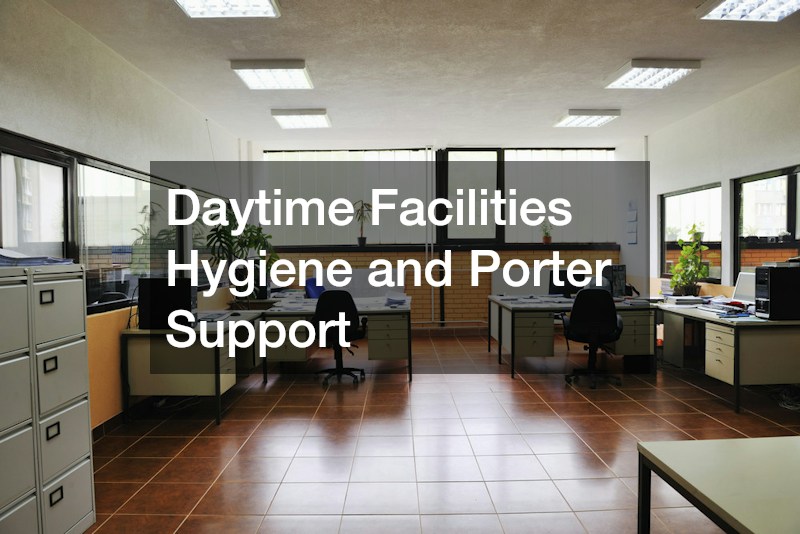
Once staff members occupy the facility and visitors begin walking through the doors, daily cleanliness directly impacts employee morale, health, and commercial reputation. High-traffic areas such as reception foyers, conference rooms, break rooms, and restrooms accumulate dirt, fingerprints, and trash rapidly throughout the working day. A disorganized or unkempt office environment degrades employee productivity and signals a lack of professional discipline to visiting clients. Managing these ongoing cleanliness requirements cannot be left to office workers without causing resentment and operational distractions.
To keep daytime operations neat and sanitary, branch administrators should contract a dedicated janitorial service. Experienced daytime porters manage ongoing facility needs by restocking restroom supplies, clearing kitchen waste, wiping high-touch door handles, and promptly cleaning accidental beverage spills. Maintaining continuous daytime sanitation prevents waste bins from overflowing and keeps communal spaces pristine between executive meetings. Daytime cleaning personnel also monitor building entrances during inclement weather, mopping tracked-in rainwater or melted snow to eliminate slipping hazards. A dependable daytime team works discreetly in the background, allowing satellite employees to conduct business in a fresh, professional environment throughout every working hour of the operational week.
Comprehensive Environmental Care and Facility Longevity
Beyond daytime maintenance, commercial facilities require scheduled evening sanitization to preserve building assets and maintain healthy indoor air quality. Evening hours provide an ideal window for comprehensive sanitization because technicians can access open workstations, private executive offices, and heavy-traffic corridors without interrupting ongoing business tasks. Thorough after-hours maintenance removes allergens, dust accumulation, and bacteria from common surfaces before the next business day begins. Routine deep care also extends the useful life of interior furnishings, carpets, and hard flooring surfaces.
Contracting professional cleaning services ensures that floors, fabrics, and hard surfaces receive systematic, deep-level care. Commercial technicians utilize hospital-grade disinfectant sprays, high-efficiency particulate air vacuums, and specialized floor buffers to sanitize computer desks, treat carpet stains, and polish hard tile surfaces. Establishing an ongoing evening maintenance schedule prolongs the lifespan of expensive carpets, protects electronic equipment from airborne particulate buildup, and reduces workplace absenteeism caused by seasonal illnesses. Specialized floor stripping, waxing, and upholstery extraction keep high-traffic zones looking pristine month after month. A well-maintained facility preserves the value of the capital investments made during the branch launch, providing a welcoming environment for staff, management, and visiting guests over the years to come.