
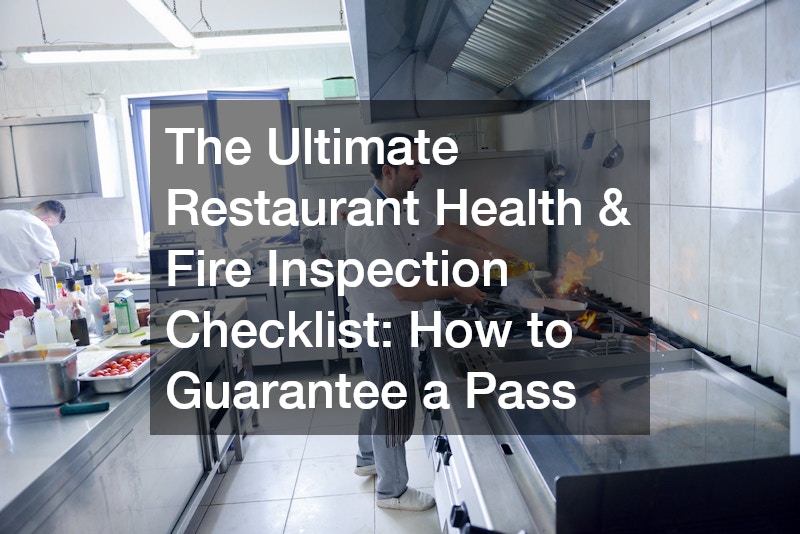
The morning of an official facility inspection often brings a wave of anxiety to even the most seasoned hospitality management teams. Whether a kitchen serves fifty guests or thousands, the standards remain unyielding. These regular evaluations are not designed to be punitive hurdles, though they can certainly feel that way when a rush is happening. Instead, they serve as vital benchmarks to protect the public, safeguard employees, and keep regional economies moving without interruption. A single oversight during a routine walk-through can lead to costly fines, damaged reputations, or immediate operational closures. To navigate this process successfully, a hospitality operation must move away from reactive fixes and adopt a mindset of continuous readiness. Understanding the exact criteria inspectors use allows operators to transform a stressful event into a routine confirmation of excellence. This comprehensive guide breaks down the essential operational components every manager must monitor to ensure their facility remains safe, clean, compliant, and ready for any surprise visit.
Investing in Durable Infrastructure
Every compliant kitchen begins with the sourcing of professional-grade equipment and hardware built to withstand intense daily wear. From heavy-duty tables to specialized containers, the physical items within a facility dictate how easily a team maintains sanitary conditions. When establishing or upgrading a facility, choosing the right partners for acquiring these goods is a critical first step. Sourcing from a verified restaurant supply vendor ensures that all cooking implements, refrigeration units, and storage racks meet strict sanitation and durability standards. Inspectors look closely at the condition of these physical assets during their rounds, checking for pitted metal, cracked plastics, or surfaces that can harbor dangerous pathogens. Cheap alternatives intended for domestic use will quickly degrade under commercial pressure, leading to automatic compliance failures. By investing in commercial-grade infrastructure from the start, operators create an environment where sanitation protocols can be executed flawlessly by the staff every single day.
Systematic Disposal of Kitchen Waste
Proper handling of liquid waste is another area where health inspectors focus a significant amount of their attention during an evaluation. Large-volume cooking generates liquid waste that cannot simply be rinsed down the nearest sink without severe consequences. Kitchen managers must establish rigid protocols for collecting and storing the liquid remnants left behind by deep fryers and griddles. Safely containing all used cooking oils in dedicated, leak-proof storage vats prevents hazardous spills in the loading dock or waste disposal areas. If these liquids are handled carelessly, they create slick surfaces that present immediate slip risks for employees and attract unwanted pests to the property. Furthermore, inspectors will ask to see documented proof of a regular collection schedule by certified hauling firms. Keeping meticulous manifests of this disposal shows authorities that the establishment takes its environmental and community responsibilities seriously while keeping the exterior perimeter immaculate.
Grease Interceptors: Safeguarding Local Infrastructure
While surface waste is easy to see, what happens beneath the floorboards is equally critical to passing an official facility check. Commercial plumbing systems are fitted with interceptor units designed to catch heavy solids and fats before they can enter the municipal sewer main. Over time, these underground interceptors fill up with a thick layer of debris that will cause systemic failures if left unaddressed. Regular grease trap cleaning is a mandatory operational requirement that must be handled by certified professionals on a predictable calendar. When an inspector reviews a kitchen, they often demand to see the maintenance logs for these interceptors to verify they are being pumped out before reaching maximum capacity. Neglecting this task leads to foul odors, slow drains, and hazardous backups that shut a business down instantly. A well-documented maintenance history proves to the inspector that the facility actively prevents public infrastructure blockages.
Specialized Care for Commercial Plumbing Lines
Even with functional interceptors in place, the internal piping network of a busy food service venue suffers continuous stress from grease accumulation. Tiny particles of fat bypass primary filters and cling to the interior walls of waste lines, narrowing the path for water flow. Standard commercial clearing methods often fail to remove these stubborn blockages completely, requiring advanced intervention techniques. Bringing in certified restaurant drain specialists ensures that plumbing lines are thoroughly cleared using high-pressure water jetting and specialized camera inspections. These professionals can identify structural weaknesses, scale buildup, and hidden clogs before they manifest as a major health department emergency. During a walk-through, an inspector will notice if sinks drain slowly or if floor drains show signs of pooling water. Having a proactive relationship with plumbing professionals keeps the drainage infrastructure operating at peak efficiency and eliminates a major red flag.
Ventilation, Health, and Air Quality Standards
Airflow management is a major focus for both health and fire inspectors, as kitchen ventilation directly impacts worker safety and fire prevention. The heat, moisture, and grease particulates generated during normal service must be efficiently drawn away from the cooking line. This process relies heavily on a clean and properly fitted restaurant filter network within the exhaust hoods to capture airborne grease particles before they enter the ductwork. If these filters become choked with residue, air velocity drops significantly, causing smoke and intense heat to build up in the workspace. Inspectors will inspect these metal components to ensure they are free of excessive buildup and properly positioned without gaps. Kitchen staff should clean these items daily, but regular replacement of warped or damaged units is also necessary to maintain code compliance. Clear, breathable air and clean capture systems signal to inspectors that the facility prioritizes everyday operational safety.
Eliminating Hidden Fire Hazards in Ductwork
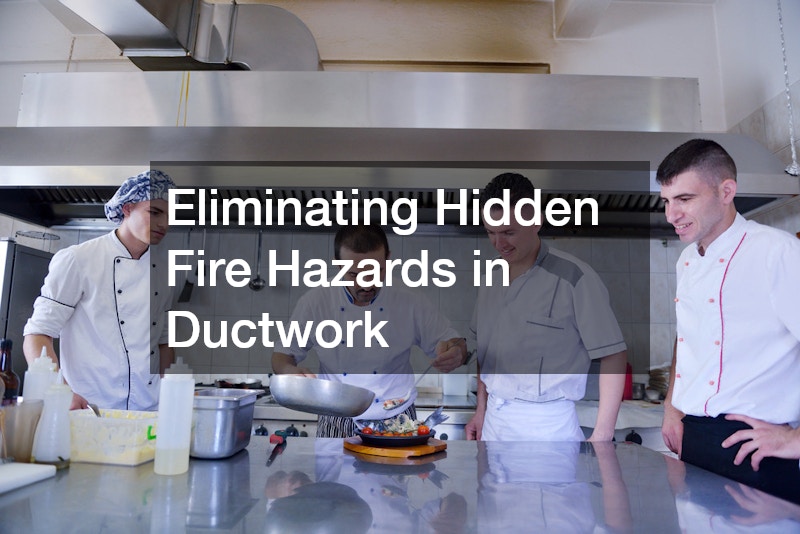
While daily filter washing keeps surface grease under control, a substantial amount of vaporized fuel still finds its way deep into the exhaust ducts. Over months of operation, this material cools and solidifies into a highly flammable layer along the interior walls of the ventilation shafts. Because this hazard is completely hidden from view, it represents a dangerous fire risk within the building. Hiring a certified commercial kitchen hood cleaner to strip the entire system down to bare metal is a non-negotiable safety requirement. These specialists utilize high-pressure steam and specialized chemical solutions to clean the hoods, ducts, and rooftop exhaust fans thoroughly. Local codes mandate specific intervals for this intensive service based on the type of cooking performed. Presenting a fresh compliance sticker from a reputable cleaner is often the very first thing a fire inspector looks for upon entering the premises.
Early Warning Infrastructure and Detection Systems
Should a fire or emergency situation occur despite preventative maintenance, early detection is absolutely essential to saving lives and minimizing property loss. A commercial kitchen requires an intricate network of smoke detectors, heat sensors, and pull stations that communicate instantly with responders. Maintaining this electronic infrastructure requires technical expertise that goes far beyond basic facility maintenance. Partnering with a licensed fire alarm company ensures that all detection devices are correctly positioned, fully operational, and compliant with current building codes. These companies conduct mandatory annual testing to verify that backup batteries function, control panels report accurately, and audible alarms are loud enough to be heard over kitchen noise. Fire inspectors will carefully examine the inspection tags attached to the main control panel during their visits. A fully certified and monitored warning system provides peace of mind to management and demonstrates a total commitment to life safety.
Equipping the Line with Correct Response Tools
Beyond automated detection systems, a safe commercial kitchen must be stocked with physical tools that allow employees to intervene during minor emergencies. Handheld suppression equipment and specialized safety items must be strategically distributed throughout the property, matching the specific types of hazards present in each zone. Managers should carefully select approved fire safety products such as heavy-duty fire blankets, emergency exit signage, and specialized chemical suppression units designed for oil fires. These items must remain completely unobstructed at all times, meaning extra inventory should never block access to them. Inspectors will walk the floor to verify that every safety station is visible and that staff can reach the equipment within seconds. Having the correct, code-approved safety items on hand proves that the business is prepared to handle localized incidents before they escalate into major disasters.
Preserving Readiness of Pressurized Hardware

The presence of suppression equipment is only useful if those devices are guaranteed to operate flawlessly when a crisis arises. Portable extinguishers are complex mechanical tools that experience pressure loss, internal settling, and physical damage over long periods of inactivity. To ensure these tools are reliable, an operation must schedule regular maintenance visits from a certified fire extinguisher service provider. These technicians perform detailed internal inspections, check pressure gauges, weigh the units, and replace any worn valves or nozzles. They also attach a dated, signed compliance tag that serves as official proof of service for local authorities. During a building inspection, officials will look at every single extinguisher tag to confirm that the maintenance is current within the calendar year. Failing to maintain these devices results in immediate fines and creates a severe vulnerability in the safety strategy.
Emergency Preparedness and Business Continuity
Even the most meticulous hospitality businesses must recognize that accidents can still happen despite their best preventative efforts. Electrical faults, equipment malfunctions, or human error can occasionally bypass safety systems and cause localized structural damage. True readiness involves having a clear plan for what happens after an incident occurs, ensuring the business can recover safely and quickly. Knowing who to call for a professional fire damage service is a critical element of a comprehensive risk management plan. Specialized teams are trained to safely remove soot, clear suppression residue, and repair structural components without compromising health codes. Trying to handle this type of cleanup with standard janitorial staff can lead to lasting health hazards and a permanent failure of future inspections. Demonstrating a clear understanding of total site recovery proves that management prioritizes long-term structural integrity and safety.
Documenting the Digital Trail: Maintaining Flawless Records
In the regulatory landscape, what is not documented is considered undone. Keeping a well-organized physical binder or a dedicated digital folder for all compliance paperwork is just as critical as keeping the physical kitchen clean. This archive should contain every service receipt, system certification, and municipal permit collected over the past twenty-four months. When an inspector requests proof of a system check, being able to produce the paperwork instantly demonstrates administrative competence. It shows that management is organized, attentive, and running a tight ship. This high level of structural organization drastically reduces the depth of the inspection, as officials can easily verify that the facility adheres to every required testing interval.
The Human Factor: Training Staff for Inspection Day
Physical preparation and clean equipment represent only half of the compliance equation; the daily habits of the kitchen staff complete it. When an inspector enters a facility, they do not just look at hardware and logs; they watch how the team behaves in real time. They observe whether line cooks wash their hands at designated sinks, check food temperatures, and store raw ingredients properly. Regular training sessions are essential to ensure every team member understands their specific role in maintaining safety standards. Staff must know how to respond to questions clearly and confidently without panic. They should be familiar with the location of all safety manuals, first aid kits, and emergency shutoff valves. When an inspector sees a calm, knowledgeable team executing their duties with precision, it builds instant trust and confidence in the entire operation. This human element is often what separates an average score from a perfect pass.
Consistency Wins the Compliance Game
Passing a commercial hospitality inspection should never be the result of a frantic, last-minute cleaning frenzy. True compliance is achieved through small, deliberate actions taken by the entire team every single day. By breaking down the facility’s extensive needs into manageable daily, weekly, and monthly tasks, operators can completely eliminate the anxiety often associated with surprise regulatory visits. Partnering with certified industry professionals ensures that complex infrastructure items are permanently maintained to the absolute highest legal standards. This proactive approach allows management to focus entirely on culinary excellence and customer satisfaction. Ultimately, an unyielding commitment to safety and sanitation protects the business from costly liabilities, ensures a healthy workplace for staff, and guarantees a safe, exceptional experience for every guest who walks through the front door.