

Professional auto repair plays a critical role in keeping vehicles safe, reliable, and ready for daily use. Modern vehicles are complex machines that rely on interconnected systems, advanced technology, and precise engineering. As cars continue to evolve, so do the expectations placed on those responsible for maintaining and repairing them. Understanding the full scope of professional auto repair services helps drivers make informed decisions, plan responsibly, and avoid unnecessary disruptions caused by unexpected vehicle issues.
Many drivers only think about repairs when a warning light appears or a problem interferes with daily travel. However, vehicle care is most effective when it is proactive rather than reactive. Small issues often develop quietly and grow over time, eventually affecting performance, safety, or fuel efficiency. A broader understanding of how professional repair services work allows drivers to recognize early warning signs, prioritize maintenance, and address concerns before they escalate into costly repairs or breakdowns.
This guide explores the range of services that support vehicle health throughout its lifespan. From routine maintenance to more involved mechanical and safety-related repairs, each section highlights how professional care contributes to long-term reliability.
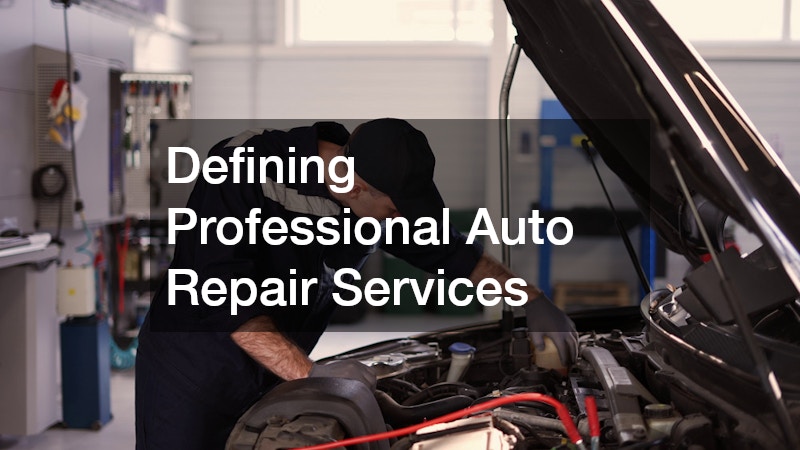
Defining Professional Auto Repair Services
Professional auto repair services encompass far more than fixing obvious problems. They involve diagnosing issues accurately, maintaining complex systems, and supporting vehicles through routine wear and unexpected challenges. These services are designed to preserve performance, protect safety, and extend the usable life of a vehicle. Professional repair focuses on precision, consistency, and adherence to established standards rather than temporary fixes.
A key part of professional care is the ability to evaluate how different vehicle systems interact. Modern vehicles rely on sensors, software, and mechanical components working together seamlessly. Auto repair services address this complexity by combining diagnostic tools with hands-on expertise to identify underlying causes rather than just surface symptoms. This approach reduces the risk of repeat issues and supports more reliable long-term outcomes.
Professional services also emphasize accountability and documentation. Clear explanations, service records, and recommended maintenance schedules help drivers understand what their vehicles need and why. This transparency supports better planning and reduces uncertainty around future repairs.
Supporting Routine Vehicle Maintenance
Routine vehicle maintenance is the foundation of long-term reliability and performance. Regular attention to essential components helps prevent breakdowns, improves fuel efficiency, and supports safe operation under a wide range of driving conditions. Maintenance tasks may seem minor individually, but together they play a major role in protecting critical systems and reducing long-term repair costs.
Professional providers deliver auto services that focus on consistency and prevention rather than reaction. These services often include inspections, fluid management, filter replacement, and system checks that identify wear before it becomes a problem. Scheduled maintenance allows drivers to plan ahead instead of facing sudden repairs that disrupt schedules and budgets. It also helps maintain manufacturer recommendations, which can be important for vehicle longevity.
Routine maintenance supports better driving experiences overall. Vehicles that receive consistent care tend to operate more smoothly, respond more predictably, and experience fewer unexpected issues. Over time, this approach reduces stress and builds confidence behind the wheel.
Addressing Mechanical and System Repairs
Mechanical and system repairs are essential to keeping a vehicle functioning as intended. Modern vehicles rely on a wide range of interconnected components, including suspension, steering, electrical systems, and onboard diagnostics. When one system begins to fail, it can place added strain on others, leading to reduced performance and increased safety risks. Addressing mechanical issues early helps preserve overall vehicle integrity and prevents minor concerns from escalating into major problems.
System-related issues often develop gradually and may present subtle warning signs such as unusual noises, vibrations, or changes in responsiveness. These symptoms can be easy to overlook, especially when they don’t immediately interfere with driving. However, delaying attention can allow wear to spread to additional components. Thorough evaluation and timely repairs help restore balance to the vehicle and support smoother, more predictable operation.
Skilled auto mechanics play a central role in diagnosing and resolving these concerns. Their training and experience allow them to identify root causes rather than focusing only on visible symptoms. Using specialized tools and systematic testing, they can address complex issues accurately and efficiently.
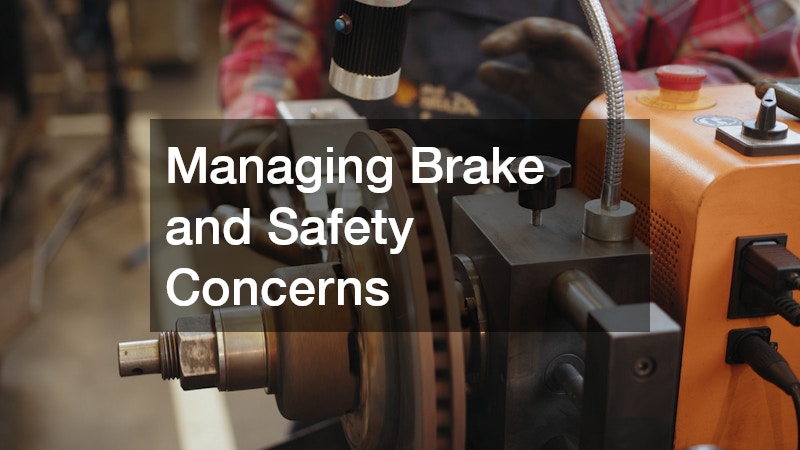
Managing Brake and Safety Concerns
Brake systems are one of the most critical safety features in any vehicle. They control stopping power, help maintain stability, and allow drivers to respond quickly to changing road conditions. Over time, brake components wear down through normal use, exposure to heat, and driving habits. Regular attention to braking performance is essential for protecting drivers, passengers, and others on the road.
Warning signs such as squealing, grinding, vibration, or reduced responsiveness often indicate underlying issues within the braking system. Ignoring these signs can compromise safety and lead to damage in related components. Addressing concerns promptly helps restore proper function and reduces the risk of sudden brake failure. Consistent evaluation supports safer stopping distances and more predictable vehicle behavior.
Professional brake repairs typically involve inspecting pads, rotors, calipers, and fluid levels to confirm that each part is working together effectively. Proper service restores balance to the system and supports reliable performance in both everyday driving and emergency situations.
Handling Engine and Performance Issues
The engine is the core of a vehicle’s performance, powering movement and supporting nearly every system in operation. Engine issues can affect acceleration, fuel efficiency, emissions, and overall reliability. Because engines operate under constant stress, even small problems can worsen quickly if not addressed. Recognizing performance changes early helps drivers avoid more extensive damage and costly repairs.
Common signs of engine trouble include warning lights, rough idling, reduced power, unusual noises, or increased fuel consumption. These symptoms often indicate deeper mechanical or system-related concerns that require professional evaluation. Ignoring them can lead to breakdowns or long-term damage that affects multiple components. Timely attention helps restore proper operation and supports consistent performance.
Professional auto repair plays an important role in resolving engine-related concerns accurately. Through diagnostics and targeted service, technicians can identify the source of performance issues and recommend appropriate solutions. Addressing engine problems early supports longevity, reduces downtime, and helps maintain predictable driving behavior.
Responding to Collision and Body Damage
Collisions and body damage can affect more than a vehicle’s appearance. Even minor impacts may compromise structural components, alignment, or safety systems designed to protect occupants. Addressing damage promptly helps restore both visual condition and functional integrity, reducing the risk of long-term performance issues. A thoughtful response after an accident supports safety, preserves vehicle value, and prevents hidden problems from developing over time.
Body damage can also influence how a vehicle handles, absorbs impact, and protects passengers in future incidents. Panels, frames, and crumple zones are engineered to work together, and damage to one area may affect the performance of others. Evaluating the full scope of damage allows repairs to be prioritized correctly rather than focusing only on visible issues. This approach supports consistent operation and helps maintain manufacturer safety standards.
Professional collision repair focuses on restoring the vehicle to proper condition using precise measurements, appropriate materials, and structured repair processes. These repairs often involve correcting alignment, reinforcing structural components, and refinishing surfaces to protect against corrosion. Addressing collision damage thoroughly helps vehicles return to the road safely and reliably.

Providing Glass and Visibility Solutions
Clear visibility is essential for safe driving in all conditions. Windshields, windows, and mirrors support driver awareness, protect occupants from debris, and contribute to the vehicle’s structural strength. Damage to glass surfaces can distort vision, increase glare, and reduce overall safety, especially in poor weather or high-traffic situations. Addressing visibility concerns early helps prevent distractions and supports confident driving.
Glass damage may begin as a small chip or scratch that gradually spreads due to temperature changes, road vibration, or moisture. While these issues may seem minor at first, they can quickly compromise visibility or lead to complete failure. Maintaining clear glass surfaces supports consistent driver awareness and reduces the likelihood of sudden visibility loss during critical moments.
Professional auto glass services focus on restoring clarity and strength through proper assessment and repair or replacement. These services help confirm that glass components meet safety standards and fit correctly within the vehicle frame. Proper installation also supports the effectiveness of safety systems such as airbags.
Offering Emergency and Roadside Support
Emergency and roadside support services play a critical role when vehicles become disabled unexpectedly. Breakdowns, accidents, or mechanical failures can occur without warning, leaving drivers stranded in inconvenient or hazardous locations. Having access to reliable support helps reduce stress, protect safety, and resolve situations efficiently. Preparation and awareness are key to responding calmly during these moments.
Roadside incidents often require quick decisions, especially when traffic, weather, or unfamiliar surroundings are involved. Remaining with a disabled vehicle may not always be safe, and attempting temporary fixes can sometimes cause additional damage. Knowing when to seek assistance helps drivers avoid unnecessary risk and restore mobility as quickly as possible.
Professional support from tow trucks provides a safe and effective way to transport disabled vehicles to repair facilities or secure locations. Towing services help prevent further mechanical damage and reduce exposure to roadside hazards. By relying on professional roadside support, drivers regain control during stressful situations and protect both their vehicles and personal safety.
Ensuring Climate Control and Comfort
Climate control systems play an important role in both comfort and safety while driving. Heating, ventilation, and air conditioning help regulate cabin temperature, manage humidity, and support clear visibility by reducing window fogging. When these systems function properly, drivers remain more focused and comfortable during short trips and long drives alike. Poor climate control can lead to distraction, fatigue, and reduced awareness, particularly in extreme weather conditions.
Over time, climate systems may lose efficiency due to worn components, refrigerant leaks, or electrical issues. Symptoms such as weak airflow, inconsistent temperatures, unusual noises, or unpleasant odors often indicate that attention is needed. Ignoring these signs can allow small issues to worsen, eventually affecting system reliability or leading to complete failure during periods of high demand.
Professional auto ac repair focuses on diagnosing and correcting these issues accurately. Service may involve inspecting compressors, hoses, filters, and control systems to restore proper function. Timely attention helps maintain consistent comfort, supports interior air quality, and prevents further damage to related components. By addressing climate control concerns proactively, drivers create a more comfortable driving environment and reduce the risk of inconvenient breakdowns during hot or cold conditions.

Planning for Long-Term Vehicle Care
Long-term vehicle care requires a balance between routine maintenance, timely repairs, and thoughtful planning for future needs. As vehicles age and accumulate mileage, components naturally experience wear that affects performance and reliability. Planning ahead allows drivers to anticipate these changes rather than reacting to them unexpectedly. A long-term approach supports better budgeting, fewer surprises, and more consistent vehicle performance.
Some components eventually reach a point where repair is no longer the most effective option. Planning for significant replacements or upgrades helps drivers evaluate cost, safety, and long-term value without pressure. This forward-looking mindset allows time to explore options, schedule service conveniently, and avoid rushed decisions that may not align with overall vehicle goals.
Visibility and structural integrity are also part of long-term planning. A windshield replacement service may become necessary when damage compromises safety, clarity, or structural support. Planning for this type of service helps drivers maintain compliance with safety standards and protect occupants. By approaching vehicle care as an ongoing process rather than a series of emergencies, drivers maintain greater control over reliability, safety, and ownership costs throughout the life of the vehicle.
Professional auto repair services provide essential support for vehicles at every stage of ownership. From routine maintenance to complex system repairs, these services help maintain safety, performance, and reliability in an increasingly complex automotive landscape. Understanding the full scope of professional care allows drivers to make informed decisions and address concerns before they escalate into major disruptions.
A proactive approach to vehicle care reduces stress and supports predictable outcomes. By recognizing warning signs, prioritizing safety systems, and planning for long-term needs, drivers protect both their vehicles and their daily routines. Professional support offers clarity, expertise, and structure, helping drivers navigate repairs and maintenance with greater confidence.