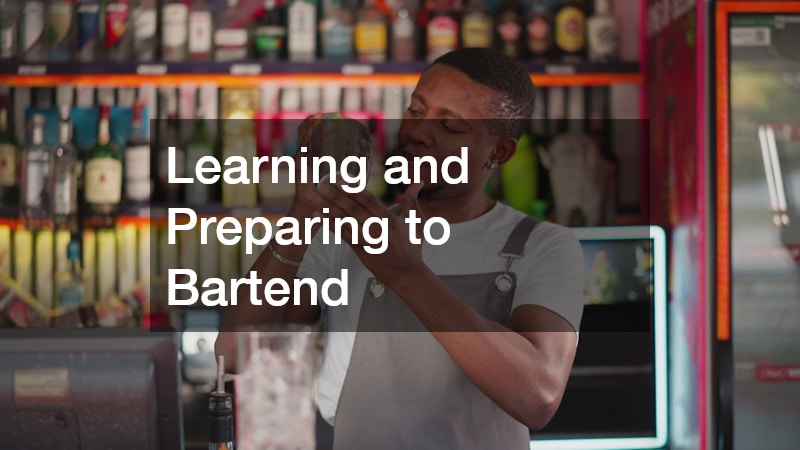
Bartending is one of those unique careers that blend technical skill, creativity, performance, and hospitality. Whether you picture yourself mixing craft cocktails in an upscale lounge, slinging beers at a neighborhood bar, or working high-energy shifts in a nightclub, becoming a bartender requires preparation, practice, and the right mindset. Learning and preparing to bartend isn’t just about memorizing drink recipes—it’s about developing a combination of knowledge, confidence, and service skills that allow you to thrive behind the bar.
Start With the Basics
Before touching a shaker or pouring a draft, it’s important to understand the fundamentals. Bartending begins with a working knowledge of spirits, mixers, glassware, and bar tools.
Familiarizing yourself with the major categories of alcohol—vodka, gin, rum, tequila, whiskey, and liqueurs—gives you a foundation to build on. Learning the flavor profiles and typical uses of each spirit also helps you understand why certain ingredients pair well together.
Equally essential is knowing the classic cocktails. Drinks like the Old Fashioned, Margarita, Mojito, Manhattan, Martini, and Negroni appear on menus everywhere. Even modern bars revisit these standards with their own twists, so learning the classics prepares you to understand variations you may encounter. Practice making them at home or in a training environment to develop muscle memory and consistency.
Many aspiring bartenders also look into whether they need a bartending license in their state or region. Requirements vary widely, but knowing the regulations early helps you avoid roadblocks when you’re ready to apply for jobs.
Understanding Bar Tools and Techniques
Good bartenders move confidently because they are comfortable with their tools. Shakers, strainers, jiggers, muddlers, bar spoons, pour spouts, and bottle openers all serve specific functions. Spend time practicing how to use each item correctly. For example:
-
Shaking introduces air and dilutes cocktails like sours or fruity drinks.
-
Stirring produces a smooth, cold, spirit-forward cocktail without aeration.
-
Muddling releases oils and flavors from ingredients like mint or citrus.
-
Free-pouring involves measuring without a jigger and requires practice to master.
The more familiar you are with these tools and techniques, the easier it becomes to multitask during a busy shift.
Developing Speed and Accuracy
Speed and accuracy are at the heart of bartending. Customers expect quick service without sacrificing quality, especially during peak hours. Start by learning proper measurements and ratios for drinks so you can build cocktails consistently. Once you’re confident in those, practice increasing your pace.
One helpful technique is “building rounds,” which means making several drinks at once in a logical order. Bartenders typically start with the drinks that require the longest preparation—shaken cocktails, frozen drinks, or muddled beverages—before moving to quick pours like shots or beers. With time, you’ll learn to read the room, anticipate orders, and work efficiently even under pressure.
The Importance of Customer Service
While drink-making is a major component of bartending, hospitality is what separates a good bartender from a great one. Bartenders interact with customers constantly, so developing strong communication and interpersonal skills is crucial. You need to be friendly, welcoming, and able to read different personalities. Some customers want conversation; others prefer quick, minimal interaction. The ability to adapt and maintain professionalism in all situations is key.
Conflict resolution is also part of the job. Handling intoxicated guests, preventing over-serving, and de-escalating tense situations all require calm judgment. This ties back into the legal responsibilities of bartending—including checking IDs and knowing alcohol laws—which is why many employers prefer applicants who already have a bartending license or alcohol-service certification.
Learning From Real-World Experience
One of the best ways to prepare for a bartending job is to get practical experience. Even if you’re not ready to step behind the bar immediately, taking a job as a barback or server helps you understand how a bar operates. As a barback, you’ll stock ice, clean glassware, replenish garnishes, and keep the bar running smoothly. You’ll observe bartenders in action, learn workflow, and gradually become more comfortable with the environment.
Some people also choose to attend bartending school. While it isn’t required, bartending school can help you build confidence with tools and recipes in a structured setting. Just remember that the real test of bartending skill comes from experience in a live environment.
Preparing for the Job Hunt
When you feel ready to pursue bartending positions, put together a resume that highlights relevant experience—even if it’s not directly bartending. Customer service roles, hospitality experience, and time spent as a server or barback all show employers that you’re prepared for the demands of the job.
If your state requires alcohol-service training, obtaining your bartending license before applying can make you more competitive. It signals that you take the job seriously and understand your legal responsibilities.
Learning and preparing to bartend is a journey that involves much more than memorizing cocktail recipes. It’s about mastering techniques, understanding alcohol, developing speed and efficiency, and providing exceptional service. With dedication, practice, and the willingness to learn from every shift, you can build a rewarding career behind the bar—one that blends creativity, hospitality, and the joy of creating memorable experiences for every guest who sits in front of you.