
The first year of owning or operating a property is full of surprises, and most of them show up in the form of unexpected bills or emergency phone calls. Whether you just bought a home, opened a small commercial space, or took over management of a building, the decisions you make in these early months set the tone for years to come. Building sustainable operations now, rather than reacting to problems later, saves money and stress down the road. This guide walks through the practical systems, protections, and vendor relationships worth setting up before your twelve-month mark arrives.
Managing Renovation and Cleanup Debris From Day One
Almost every new property owner underestimates how much debris accumulates during the first year, whether from a renovation, a landscaping overhaul, or simply clearing out a previous owner’s belongings. Instead of making dozens of trips to a disposal site, many owners find it far more efficient to schedule a dumpster rental for larger projects so waste can be handled in one or two hauls. This approach also keeps job sites safer, since piles of scrap material and debris left sitting around create trip hazards and attract pests.
Planning ahead for debris removal also helps you stay compliant with local waste ordinances, many of which restrict how much material can go out with regular trash pickup. Setting up a container size that matches your project scope from the start prevents overflow fees and repeat deliveries.
- Estimate debris volume before booking to avoid ordering a container that is too small
- Confirm what materials are restricted, such as paint, tires, or electronics
- Schedule pickup dates around your project timeline, not the other way around
- Ask about weight limits to avoid surprise overage charges

Protecting Foundations and Roofs From Water Damage
Water intrusion is one of the most expensive problems a property owner can face, and it often develops silently for months before symptoms appear. A slow leak behind a wall or under a slab can quietly rot framing, corrode rebar, and breed mold long before a stain ever shows up on the ceiling. By the time the damage becomes visible, repair costs can easily run into the tens of thousands of dollars. Investing in commercial waterproofing during your first year, particularly for basements, parking structures, or flat roofs, can prevent thousands of dollars in structural repairs later. Basement waterproofing typically involves sealing foundation walls, installing interior or exterior drainage systems, and ensuring sump pumps have reliable backup power. Parking structures benefit from traffic-grade membrane coatings that resist cracking under vehicle weight, while flat roofs need properly sloped drainage and routine inspection of seams and flashing, since these are the first points where water typically finds a way in. This is especially true for properties in regions with heavy rainfall or freeze-thaw cycles, where moisture finds its way into even small cracks. Water that seeps into a hairline crack and then freezes can expand it by a significant margin within a single winter, turning a minor issue into a major one almost overnight. Scheduling a professional moisture assessment during your first year, ideally before the rainy or winter season begins, gives you a baseline for tracking wear and catching problems while they’re still inexpensive to fix.
A proactive inspection during your first few months lets you catch minor issues, like hairline cracks, failing sealants, or clogged gutters, before they become major leaks. Walk the perimeter of the building, check the roofline for missing or curling shingles, and inspect flashing around vents, chimneys, and skylights, since these junctions are where most water intrusion starts. Set a simple schedule: a visual roof check every quarter, gutter cleaning twice a year, and a foundation walk-around after any major storm. Look for pooling water near the base of the building, efflorescence (white mineral streaks) on concrete, or small cracks wider than a quarter-inch, all of which signal drainage problems that will worsen if ignored. Addressing these early also strengthens your position if you ever need to file an insurance claim, since documented preventive maintenance shows the damage was not due to neglect. Keep dated photos, receipts for repairs, and any contractor reports in a dedicated file, as insurers often scrutinize claims for evidence of ongoing upkeep before approving payouts.
- Check for water stains, bubbling paint, or musty odors on ceilings and walls during the first rainy season, especially after storms exceeding an inch of rain
- Inspect exterior grading to ensure water flows away from the foundation, aiming for a slope of at least 6 inches over the first 10 feet
- Clean gutters and downspouts quarterly, directing runoff at least 3-5 feet from the building’s base
- Reseal windows, doors, and rooflines proactively rather than after a leak appears, checking caulking and flashing every 1-2 years
- Schedule a professional roof inspection annually, particularly before winter or monsoon seasons depending on your climate
- Keep records of any waterproofing work, including dates, materials used, and contractor invoices, for future insurance claims or resale purposes
- Photograph problem areas before and after repairs to document improvements and support warranty claims if issues resurface
Setting Up a Pest Prevention Schedule Early
New property owners often assume pest problems are random bad luck, but in reality, most infestations trace back to conditions that existed long before move-in. Scheduling commercial pest control inspections during your first year establishes a baseline and catches issues like termite activity or rodent entry points before they spread. This is particularly important for properties with food service areas, storage units, or older construction where gaps and cracks are common.
- Ask for a full exterior perimeter inspection, not just an interior check
- Request quarterly visits during your first year to establish a pattern
- Keep a log of any pest sightings, even minor ones, to share with your provider
- Seal obvious entry points like utility line gaps and vent openings
Handling Heavy Lifting and Structural Installations
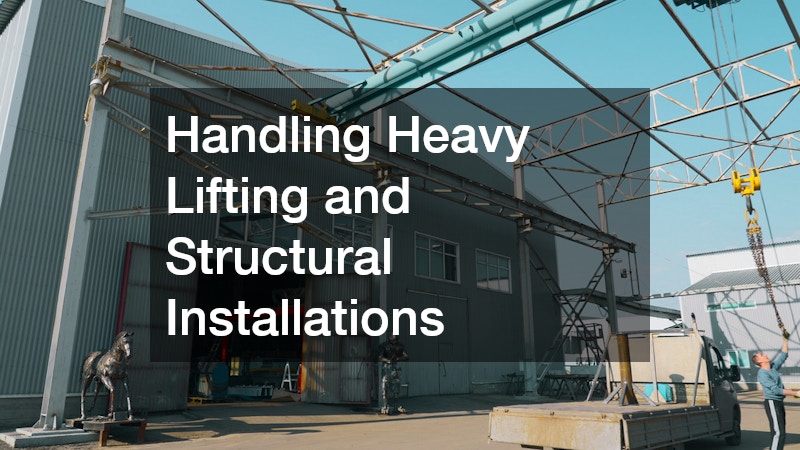
If your first year includes any major construction, sign installation, or equipment placement, you will likely need specialized lifting equipment at some point. Hiring a crane rental service for these tasks is often safer and more cost effective than attempting to piece together makeshift lifting solutions. Trained operators also carry the certifications needed to work near power lines or in tight urban lots, which reduces liability exposure for the property owner.
Planning these lifts in advance, rather than scrambling when a delivery truck shows up with oversized equipment, keeps your project on schedule. It also gives you time to secure any necessary permits, since many municipalities require notice before large lifting equipment can operate on public streets.
- Confirm ground conditions can support the equipment weight before scheduling
- Ask about operator certifications and insurance coverage
- Coordinate street closure permits early if the lift affects public access
- Schedule during off-peak hours to reduce disruption to neighbors or tenants
Keeping Equipment and Metal Fixtures in Working Order
Properties with any kind of metal fencing, railing, structural framework, or custom fixtures will eventually need repair or fabrication work. Building a relationship with a skilled industrial welder during your first year means you already have a trusted contact when a gate hinge fails or a railing needs reinforcement. Waiting until an emergency happens often means paying a premium for rushed service or settling for whoever is available on short notice.
Regular maintenance checks on metal components also extend their lifespan significantly. Rust, loose joints, and warped supports are much cheaper to fix early than after they fail completely.
- Inspect outdoor metal fixtures twice a year for rust or corrosion
- Ask a welding professional to assess load-bearing structures if you notice sagging
- Keep a maintenance log for any repairs made during the first year
- Budget for minor welding touch-ups rather than waiting for major failures
Confirming Adequate Coverage for Your Property Type
Many new owners carry over a basic policy from the previous owner or agent without reassessing whether it actually fits their needs. This is a common mistake, since a policy negotiated years ago under different circumstances rarely accounts for how the property is being used today. Reviewing your commercial insurance during the first year is essential, especially if you have changed how the property is used, added tenants, or made structural updates. Even seemingly minor changes, like converting storage space into a retail area or adding a loading dock, can shift your risk profile enough to require new coverage limits. A policy written for a vacant building will not adequately protect a space that now houses equipment, inventory, or foot traffic. Consider whether your current limits account for the replacement cost of machinery, seasonal inventory spikes, or liability exposure from customers and vendors on-site. It’s also worth checking for coverage gaps around business interruption, water damage, and equipment breakdown, since these are frequently underinsured in policies inherited from a previous owner. A short conversation with your broker, ideally paired with a walkthrough of the property, can reveal mismatches between what’s written on paper and what actually exists on-site.
It also helps to review coverage limits annually rather than assuming they automatically adjust with property value or replacement costs. Standard policies often include only modest built-in inflation adjustments, which rarely keep pace with actual construction costs, especially in markets where material and labor prices have climbed sharply in recent years. Underinsurance is one of the most common and costly mistakes property owners make in their first few years of ownership. A policy written to cover 80% of replacement cost might have felt adequate at purchase, but even a few years of rising rebuilding costs can quietly erode that cushion to 60% or less without any change to the policy itself. To catch this early, ask your insurer for a current replacement cost estimate rather than relying on market value, since the two can diverge significantly. It’s also worth comparing coverage against recent renovations, added square footage, or equipment upgrades, all of which increase what it would actually cost to rebuild or replace what you have.
- Reassess coverage after any renovation or change in property use — even minor upgrades like adding equipment or expanding storage can shift your risk profile
- Ask about business interruption coverage if the property generates income, and confirm it accounts for at least 6-12 months of lost revenue
- Compare liability limits against similar properties in your area; $1-2 million is common for small commercial spaces, but higher-traffic operations may need more
- Review flood and water damage exclusions carefully, especially if you’re outside a designated flood zone but near water or low-lying terrain
- Check whether your policy covers code upgrade costs if repairs trigger current building code compliance
- Confirm equipment breakdown coverage for HVAC, refrigeration, or specialized machinery critical to daily operations

Building Local Awareness Through Print Marketing
If your first-year plans include attracting tenants, customers, or clients to a commercial space, local visibility matters more than most owners expect. Getting brochures printed for local distribution remains a surprisingly effective way to reach nearby residents and businesses who may not encounter your online presence otherwise. This is especially useful for service-based properties like gyms, salons, or retail spaces trying to build a customer base in their immediate neighborhood.
- Include clear contact information and a simple call to action on every piece
- Distribute through local business associations or community boards
- Track response rates with a specific discount code or phone extension
- Refresh the design seasonally to keep messaging current
Preparing Grounds and Walkways for Winter Conditions
Property owners in colder climates often underestimate how much liability exposure comes with icy walkways and parking lots. Arranging commercial snow removal before the first storm hits, rather than after tenants or customers start complaining, protects both safety and your legal standing. Slip-and-fall incidents are among the most common liability claims property owners face, and having a documented removal schedule strengthens your defense if an incident occurs.
Setting up a contract early in the fall also secures better rates and guaranteed availability, since providers often fill their schedules quickly once winter weather arrives. Waiting until the first snowfall to search for a provider frequently means longer response times and higher emergency pricing.
- Confirm response time guarantees for the first inch of accumulation
- Ask whether salting and de-icing are included or billed separately
- Request a written service schedule for entrances, walkways, and lots
- Review the contract for liability language covering slip-and-fall claims

Valuing Specialized Assets Tied to Your Property
Some properties come with unique assets that require specialized valuation, particularly if a hangar, private airstrip, or aviation-related business is part of the operation. These assets rarely fit neatly into standard commercial property assessments, since aircraft depreciate on their own schedules and their value shifts with market demand, engine hours, and maintenance history. Securing accurate aircraft appraisals during your first year ensures you have documented value for insurance, financing, or eventual resale purposes. A qualified appraiser will typically review logbooks, airworthiness directives, avionics upgrades, and comparable sales data before settling on a figure — details a generic property valuation simply won’t capture. Timing matters too. Getting an appraisal completed within the first few months of ownership creates a baseline you can revisit annually, making it easier to track appreciation or depreciation and adjust insurance coverage accordingly. Without this documentation, owners often face disputes or delays when trying to insure or sell aviation assets attached to their property. Insurers may undervalue the asset by default, lenders may hesitate to extend financing without third-party verification, and buyers during resale negotiations may challenge an asking price that isn’t backed by a formal, dated appraisal report.
Improving Air Quality in Occupied Spaces
Indoor air quality often gets overlooked until someone in the building starts complaining about dust, allergies, or odd smells. Installing a custom air filter suited to your specific HVAC system and space size can make a noticeable difference in air quality within the first few weeks. This is particularly important for properties near construction zones, industrial areas, or high-traffic roads where outdoor pollutants are more likely to infiltrate.
- Match filter ratings to your specific air quality concerns, such as allergens or dust
- Replace filters on a consistent schedule rather than waiting for visible buildup
- Consider air quality testing if occupants report ongoing symptoms
- Factor filter costs into your annual maintenance budget from the start
None of these systems need to be built all at once, but each one is easier and cheaper to establish early than to fix after a crisis. Walk through your property with fresh eyes, identify which of these areas feels most urgent, and start there. Reach out to qualified local providers for quotes and inspections before problems force your hand. A little planning in year one pays off in every year that follows.