
The high cost of operational inefficiency is a silent drain on industrial businesses. Often, facility managers and business owners treat their physical properties and their vehicle fleets as entirely separate entities, managing them in silos. This fragmented approach invariably leads to duplicated efforts, unexpected downtime, and maintenance budgets that spiral out of control. When you are managing heavy machinery, expansive square footage, and mobile assets, reactive problem-solving is no longer sufficient. Waiting for a system to break before addressing it is a guaranteed way to disrupt your supply chain and incur premium emergency repair costs.
The most successful industrial operations understand the power of a unified approach. By treating property maintenance and fleet management as a single, cohesive ecosystem, you can establish standardized operating procedures that protect all your physical assets simultaneously. This holistic perspective allows you to shift from putting out fires to actively preventing them. It transforms maintenance from a sunk cost into a strategic investment that preserves capital.
This comprehensive guide will walk you through the core areas required to fully optimize your industrial operations. We will explore exterior property optimization, structural integrity, interior climate control, space utilization, waste management, and the longevity of your fleet.
By transitioning away from reactive fixes and implementing the proactive, standardized systems detailed below, industrial businesses can significantly reduce their overhead, extend the lifecycle of their critical assets, and drastically improve daily productivity on the floor and out on the road.
Optimizing Facility Exteriors for Safety and Efficiency
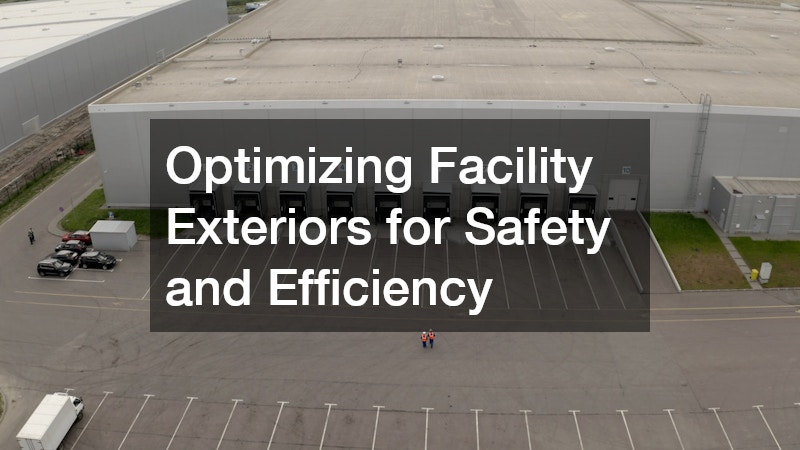
The exterior of your industrial facility is the first line of defense against the elements and the primary thoroughfare for your supply chain. Neglecting the pavement, loading docks, and exterior structures inevitably leads to a cascade of logistical failures and safety hazards. Optimizing the outside of your property is not about aesthetics; it is about maintaining a frictionless environment for heavy transit and protecting your structural investments.
Conduct Quarterly Surface Inspections and Traffic Flow Audits
The ground your equipment operates on dictates the efficiency of your movement. Industrial parking lots and loading zones endure immense stress from the constant turning of heavy semi-trucks, the scraping of pallets, and the concentrated weight of loaded forklifts. When asphalt or concrete begins to fail, the resulting potholes, cracks, and surface depressions are not just nuisances—they are direct threats to your equipment and personnel. A forklift carrying a heavy load over a significant depression can experience a sudden shift in its center of gravity, potentially causing the load to spill or the vehicle to tip. Furthermore, poor surface conditions accelerate wear and tear on vehicle suspensions and tires, leading to premature replacement costs.
To combat this, facility managers must implement rigorous, scheduled audits of all exterior surfaces.
-
Establish a Seasonal Checklist: Inspect the property at the change of every season. Look for spiderweb cracking, signs of water pooling near foundations, and fading traffic lines that could lead to right-of-way confusion among drivers.
-
Audit Traffic Flow: Evaluate how delivery trucks enter, queue, and exit the property. Identify bottlenecks where vehicles are forced into tight, repetitive turning radiuses, as these areas will degrade the fastest.
-
Professional Intervention: To maintain these high-traffic areas, it is highly recommended to establish a long-term maintenance contract with reliable commercial paving contractors who can execute routine seal coating, crack filling, and line striping before minor surface issues evolve into massive liabilities that require full-depth reclamation.
Protect and Preserve High-Wear Exterior Surfaces
Beyond the ground level, the vertical structures of your facility—such as steel siding, concrete retaining walls, exterior piping, and storage silos—are under constant assault. Harsh weather conditions, UV radiation, and exposure to industrial byproducts or chemical spills degrade structural materials over time. Once rust takes hold on structural steel or moisture penetrates porous concrete, the degradation accelerates rapidly, compromising the safety of the facility.
Taking a proactive stance on surface preservation requires an understanding of industrial coatings and rust mitigation.
-
Implement an Annual Coating Schedule: Inspect all exterior metal for oxidation and all masonry for efflorescence or spalling. Schedule preventative maintenance to address these early warning signs.
-
Utilize Advanced Protective Materials: Standard paint is insufficient for an industrial environment. Ensure that any protective coatings applied utilize high-durability epoxies, polyurethanes, or zinc-rich primers designed specifically to withstand harsh environmental variables.
-
Expert Application: Because the preparation and application of these advanced coatings require specialized knowledge and equipment, vetting certified industrial painters is essential to ensure the protective layers adhere correctly and provide the maximum possible lifespan for your physical assets.
Proactive Maintenance for Structural Integrity and Climate Control
The structural envelope of your building and the systems that regulate its interior environment are the most expensive components of your facility to replace. Allowing them to degrade through neglect is a massive financial risk. Proactive maintenance in these areas secures your inventory, protects your workforce, and dramatically reduces monthly utility expenditures.
Establish a Preventative Weatherproofing Schedule
The roof of an industrial facility is arguably its most critical component, yet it is often the most ignored until a failure occurs. A compromised building envelope can cause financial devastation. A single unnoticed puncture in a roof membrane can allow water to slowly seep into insulation, reducing its R-value and eventually dripping down onto sensitive manufacturing equipment or perishable inventory. In severe cases, trapped moisture can lead to electrical hazards and extensive structural rot.
To safeguard your facility, weatherproofing must be treated as a continuous process rather than a singular event.
-
Deploy Routine Inspections: Set up bi-annual inspections, ideally in the spring and fall. Use drone technology to capture high-resolution imagery of expansive roof systems without risking human safety, or conduct thorough physical walk-throughs.
-
Check Critical Vulnerabilities: Focus heavily on seams, flashing around HVAC units, skylights, and parapet walls. Ensure that all gutters, scuppers, and internal drainage systems are completely clear of debris to prevent water from pooling and adding thousands of pounds of dead weight to the roof structure.
-
Baseline Structural Audits: To understand the true condition of your building envelope, partner with a reputable commercial roofing company to map out the expected lifespan of your current materials, allowing you to accurately forecast capital expenditures for future replacements rather than being caught off guard.
Automate HVAC Servicing to Reduce Energy Load
Industrial climate control systems operate on a massive scale. Fluctuating warehouse temperatures do more than just make employees uncomfortable; they can compromise the integrity of temperature-sensitive raw materials and cause manufacturing machinery to overheat. Furthermore, an inefficient HVAC system will draw an excessive amount of electricity, quietly inflating your operational overhead month after month.
Modernizing and automating your approach to climate control is one of the fastest ways to streamline facility costs.
-
Integrate Smart Technology: Install industrial-grade smart thermostats and IoT (Internet of Things) sensors throughout the facility. These devices monitor system efficiency, track ambient temperature zones, and alert managers to sudden energy spikes in real-time, which often indicate a failing component.
-
Zonal Climate Control: Stop heating or cooling empty space. Use destratification fans to push warm air down to the floor during winter, and implement physical barriers or air curtains to separate high-demand climate zones from general storage areas.
-
Secured Service Agreements: Do not wait for a compressor to fail in the middle of July. Emphasize the importance of securing annual service agreements with specialized ac repair contractors who will routinely clean evaporator coils, replace heavy-duty industrial filters, and calibrate the entire system before peak seasonal demands stress the infrastructure.
Maximizing Interior Storage and Mitigating Roof Damage
Space is a premium commodity in the industrial sector. How efficiently you utilize your interior footprint directly dictates your maximum operational output. Simultaneously, protecting that interior space from top-down threats is vital for continuous operation.
Reconfigure Layouts to Consolidate Operations
Many industrial businesses hold onto excess, poorly utilized square footage simply because they have never audited their spatial efficiency. This dead space carries hidden costs in the form of unnecessary utility loads, increased property taxes, and longer transit times for employees picking inventory. Streamlining your interior begins with a ruthless assessment of your current layout and the implementation of high-density storage solutions.
-
Vertical Racking Systems: If you have high ceilings, you must build up, not out. Implement automated storage and retrieval systems (ASRS) or high-bay racking.
-
Optimize Aisle Widths: Transitioning to narrow-aisle or very-narrow-aisle (VNA) racking systems can reclaim thousands of square feet. This requires investing in specialized wire-guided or rail-guided forklifts, but the return on investment through reclaimed space is substantial.
-
Footprint Reduction: By drastically improving storage density and utilizing advanced inventory management software to reduce dead stock, you might find that you no longer need a massive, sprawling facility. Optimizing your current footprint might even allow you to downsize into a small warehouse space, which would drastically cut your baseline overhead costs while maintaining or even exceeding your current operational output.
Address Minor Leaks Before They Escalate
No matter how well you organize your interior, it is all at risk if the structure above it fails. Water intrusion in an industrial environment creates a rapid domino effect. What begins as a minor drip can quickly lead to the proliferation of black mold, the oxidation of interior steel supports, ruined packaging, and severe slip-and-fall hazards for employees on the concrete floor below.
-
Rapid-Response Protocols: Create a culture of immediate reporting. Train all floor employees to identify and report water stains on ceiling tiles, unexplained puddles, or cold drafts immediately. Implement a digital ticketing system so these reports go directly to the facility manager without delay.
-
Isolate and Protect: If a leak is detected, have protocols in place to immediately isolate the area. Use heavy-duty tarps to protect machinery and reroute forklift traffic away from the hazard zone until the issue is resolved.
-
Budgeting for Immediate Action: Understand that setting aside a dedicated, highly accessible quarterly budget for targeted commercial roof repair is vastly cheaper than absorbing the catastrophic costs associated with sudden structural failures, ruined inventory, and halted production lines caused by ignored water damage.
Implementing Sustainable Waste Management Systems
Industrial operations naturally generate massive amounts of waste, from raw material byproducts and shipping pallets to non-recyclable packaging and broken machinery. If waste management is treated as an afterthought, debris will quickly accumulate, choking your operational flow and creating dangerous hazards on the floor. Streamlining this process requires standardization and a shift toward sustainable disposal models.
Standardize Debris Removal to Prevent Operational Bottlenecks
When pallets, shrink wrap, and scrap materials are left to pile up near workstations or loading docks, they block vital transport lanes. This forces forklift drivers to take longer, less efficient routes and significantly increases the likelihood of accidents. A streamlined facility treats waste removal with the same logistical precision as inventory intake.
-
Implement Lean Manufacturing Principles: Utilize 5S methodologies (Sort, Set in order, Shine, Standardize, Sustain) to keep workstations clear. Implement a strict rule that no waste can remain on the floor at the end of a shift.
-
Color-Coded Segregation: Deploy a highly visible, color-coded bin system across the factory floor. Train employees to sort waste at the source—separating wood, plastics, metal, and general refuse immediately to eliminate the need for secondary sorting later.
-
Off-Hours Removal: Schedule waste transit within the facility during shift changes or breaks to avoid interrupting daily traffic flow. Coordinate with a local provider for routine bulk trash pickup to ensure that large, cumbersome debris, broken heavy machinery, and oversized shipping materials are removed swiftly and safely from the premises without requiring your own staff to manage heavy disposal tasks.
Monetize Scrap and Reduce Landfill Contributions
The traditional model of paying to throw everything into a landfill is economically inefficient and increasingly misaligned with modern environmental, social, and governance (ESG) standards. Many of the materials discarded in industrial processes retain inherent value. Transitioning to a circular waste model allows you to offset your disposal costs and potentially generate a new, albeit modest, revenue stream.
-
Conduct a Comprehensive Waste Audit: Spend a week analyzing exactly what goes into your dumpsters. Identify which byproducts—such as clean cardboard, rigid HDPE plastics, copper wire, or ferrous scrap metal—are being generated in high volumes.
-
Implement Baling and Compaction: Loose cardboard and plastic film take up too much space. Invest in industrial balers to compress these materials into dense, stackable cubes. This makes them significantly easier to store and much more attractive to buyers.
-
Strategic Partnerships: Build strong logistical relationships with local industrial recycling companies that specialize in handling commercial volumes of materials. Many of these organizations will pay market rates for clean, sorted scrap, or at the very least, haul away your reusable raw materials for free, drastically lowering your overall waste management overhead.
Enhancing Fleet Performance and Brand Visibility
For many industrial businesses, operations do not end at the loading dock. A fleet of delivery trucks, service vans, and heavy transport vehicles represents a massive capital investment and serves as the mobile face of your company. Streamlining fleet operations requires a dual focus on extending the mechanical lifecycle of the vehicles and maximizing their value as marketing assets.
Mandate Routine Vehicle Detailing to Prevent Corrosion
Industrial vehicles are subjected to punishing conditions. They accumulate a thick layer of dirt, corrosive road salt during winter months, and general industrial grime from job sites. If left unchecked, this accumulation does more than just look unprofessional; it actively degrades the vehicle. Chemical buildup causes rust to form on undercarriages, eats away at exposed engine components, and permanently damages the factory clear coat, drastically accelerating vehicle depreciation.
-
Mileage and Time-Based Schedules: Do not rely on drivers to decide when a vehicle needs cleaning. Establish a rigid schedule based on either mileage milestones or specific timeframes (e.g., bi-weekly) for heavy-duty wash downs.
-
Focus on the Undercarriage: Ensure that cleaning protocols go beyond the exterior panels. High-pressure undercarriage washing is critical to remove the road salts and chemical agents that cause catastrophic frame rust.
-
Mobile Operational Efficiency: Taking a truck off its route to visit a wash bay costs you money in lost productivity. Instead, contract a dedicated fleet cleaning service to come to your facility and wash the vehicles on-site during weekend or overnight hours. This guarantees that the fleet remains in pristine condition while ensuring no vehicles are ever taken out of active service during your profitable business hours.
Standardize Vehicle Branding for Mobile Marketing
A clean vehicle is a canvas. Driving an unmarked or poorly branded truck across local service routes represents a massive lost opportunity cost. Your fleet travels thousands of miles a month, passing thousands of potential clients. If those vehicles do not clearly communicate who you are and what you do, you are leaving money on the table. Standardizing your mobile branding is a critical step in streamlining your market presence.
-
Design for Legibility and Impact: Effective mobile branding is not about complex artwork; it is about instant communication. Ensure all vehicle graphics include highly legible contact information, a clear, concise value proposition (e.g., “24/7 Industrial Supply”), and a cohesive color scheme that matches your corporate identity perfectly.
-
Maintain Visual Consistency: Whether it is a small transit van or a massive semi-trailer, the branding must look uniform. Inconsistencies in logo placement or color make your operation look fragmented and unprofessional.
-
Protect the Asset: Paint jobs are expensive to repair and prone to scratching in industrial environments. Invest in high-quality, durable fleet wraps to turn every single trip into a highly visible, passive marketing campaign. As an added benefit, these heavy-duty vinyl applications serve as an armor layer, protecting the original factory paint job from UV fading and minor abrasions, thereby increasing the resale value of the vehicle when it is eventually retired from the fleet.
Conclusion
Successfully streamlining an industrial property and its accompanying fleet requires a fundamental shift in perspective. You must stop viewing maintenance as a series of isolated, reactive chores and start treating it as a comprehensive, interconnected strategy. The methodologies outlined above—optimizing your exterior surfaces for heavy transit, securing your building envelope, maximizing your interior spatial efficiency, standardizing waste management, and fiercely protecting your mobile assets—are not just theoretical concepts. They are practical, necessary steps for any business looking to survive and thrive in a competitive industrial landscape.
The compounding benefits of streamlining your operations cannot be overstated. While setting up these standardized systems, establishing vendor relationships, and implementing preventative schedules undoubtedly takes upfront effort and capital, the long-term payoff is transformative. These systems are designed to ultimately run on autopilot. Once implemented, they prevent catastrophic failures, dramatically lower energy consumption, eliminate operational bottlenecks, and save vast amounts of time and capital that would otherwise be wasted on emergency interventions.
Do not attempt to overhaul your entire operation overnight, as that often leads to systemic shock and poor execution. Instead, choose one specific area of your operations to audit this week. Whether you start by evaluating your current waste disposal methods to find recycling efficiencies, or by conducting a thorough inspection of your exterior traffic routes, take the first step today. Proactive management is the defining characteristic of an efficient, profitable, and enduring industrial business.